
Student vaping a growing concern locally, nationally
Published 1:30 am Tuesday, January 20, 2026
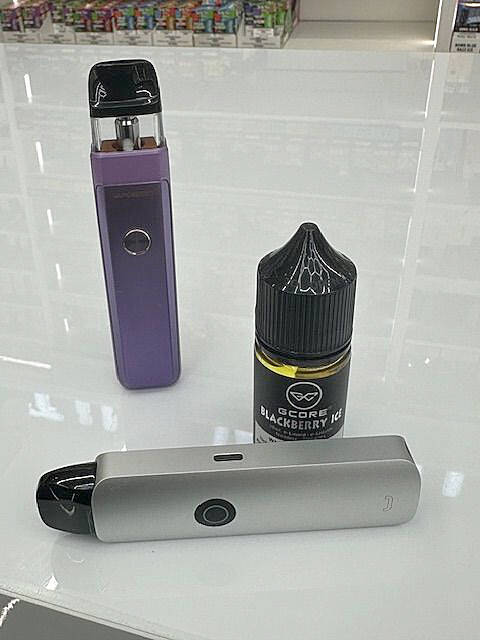
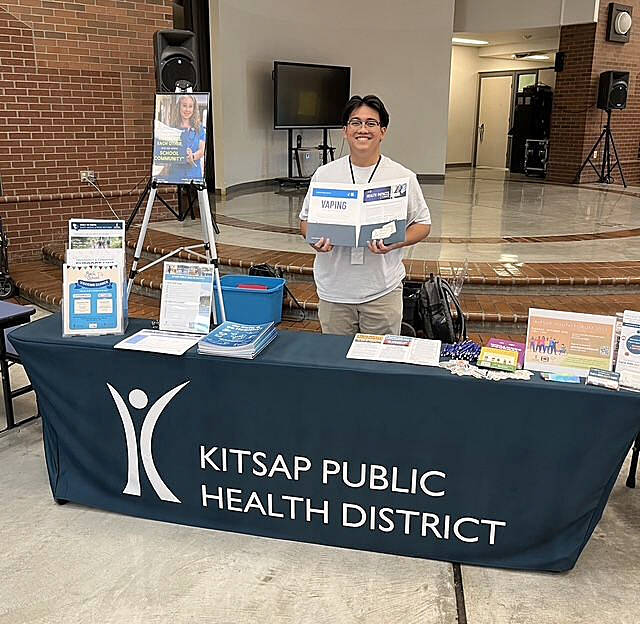
Student vaping, using e-cigarettes, is a growing concern in Kitsap County, as it is around the country, says the Kitsap Public Health District.
These popular smoking devices, seen frequently on social media where kids constantly scroll, pose serious problems for adolescents – including hard-to-kick nicotine addiction, disrupted brain development and scarred lung tissue, said Aldrin “AJ” Villahermosa II, of KPHD’s Youth Cannabis and Commercial Tobacco Prevention program.
Vaping appeals to adolescents when they see friends and family doing so and because manufacturers market the devices to the youth, Villahermosa said.
“They come in various shapes, sizes, and flavors. They’re marketed with bright colors and enticing flavors like mint bubblegum and strawberry-banana, even Fruity Pebbles, like the children’s cereal,” he said.
Vapes can be as small as a fountain pen or as big as a smartphone. To ease concealment, some come in the shapes of items students commonly carry around, such as pens, USB flash drives and felt-tipped color highlighters. Others resemble trendy items like a small 7-Eleven Slurpee cup or mini purse complete with Chanel and Gucci logos, Villahermosa explained.
Vape is short for vaporizer or e-cigarette. The handheld unit heats a liquid to produce a vapor that is inhaled. The liquid, referred to as vape juice, frequently contains nicotine, flavorings and other chemicals. Marijuana can also be vaped. Vapes typically use a battery-powered heating element that heats the juice into an aerosol vapor, which the user breathes in.
State law prohibits sale of vape products to those under 21; however, adolescents find ways to acquire them.
“Primarily, curiosity gets a lot of the youth in our communities to be interested in these products. They smell good and look fun. It’s something that a lot of youth socialize around,” Villahermosa said.
Nearly 16% of Kitsap County high school seniors reported vaping in the last month, per the 2023 Health Youth Survey, conducted by the state Department of Health. That figure is slightly higher than the statewide average of 13.6%.
“(Vaping by adolescents) is a growing concern for parents, educators, and others who work with youth in the community. They see a lot of the youth using these products,” Villahermosa said.
Per Truth Initiative, a national group that works to prevent youth nicotine addiction, vaping starts in middle school and becomes entrenched by 9th and 10th grades, with school bathrooms being hot spots for vaping.
Nicotine use by minors is harmful to developing brains, Villahermosa said.
“The primary concern with nicotine use by folks 12 to 25 is the impact that nicotine, and smoking in general, has on brain development and the forming of nicotine dependence. Young brains are more susceptible to addiction,” he said.
A report to the Surgeon General indicated, “Nicotine use during adolescence can disrupt the formation of brain circuits that control attention, learning, and susceptibility to addiction.”
Misconceptions
There are several misconceptions about vaping, which contribute to youth and adults using the smoking devices, Villahermosa said.
First is the belief that vaping is safer than smoking cigarettes. Many believe the practice involves only inhaling water vapor; however, vaping still exposes users to nicotine and an aerosol that contains heavy metals, oils and other additives.
Some think using a vape will help them avoid smoking cigarettes. However, studies show teens who use e-cigarettes are 3.6 times more likely to turn to cigarettes later in life.
There is also a mistaken belief that those standing near vape users will not be subject to secondhand exposure, as with cigarettes. But aerosol from vapes can sit in the air longer than cigarette smoke and be inhaled by others around the user, Villahermosa said.
The vaping industry is subject to few regulations and little government oversight, adding to concerns about e-cigarettes, the health official reported.
“A lot of (vaping) products on shelves are unauthorized for sale in the U.S. and have not been evaluated for safety by the FDA. They are also poorly regulated,” he said. Shady vape products are not confiscated because of a lack of enforcement personnel in state agencies, he added.
Tips for parents
With the concerns about vaping on the rise, some parents may want to talk to their kids about the activity. Villahermosa offered the following advice on how they should approach the topic.
For starters, learn basic facts about vaping in case their child has questions. Avoid opening with, “We need to talk,” or “You haven’t tried vaping, have you?” as such remarks can shut down the conversation before it starts. Have a give-and-take conversation versus a lecture, which turns kids off.
Finally, he suggested that parents use “I” statements during the talk to take the focus off the child. For example, “I heard this is a growing trend with kids your age. I care about you and I want you to know that you can come to me about anything.” This invites the child into the conversation rather than dragging them into it and shows that you are supportive of them regardless of their situation.
Resources available to help parents deal with the vaping issue include Parents Against Vaping E-cigarettes, an organization concerned with children turning to vaping and other flavored tobacco. The group’s website is parentsagainstvaping.org. Another is starttalkingnow.org, funded by the Washington State Health Care Authority. It provides parents with ways to navigate conversations about alcohol and marijuana use, which are also applicable to vapor, tobacco, and nicotine.