
Department of Health launches new naloxone locator tool
Published 1:30 am Wednesday, August 13, 2025
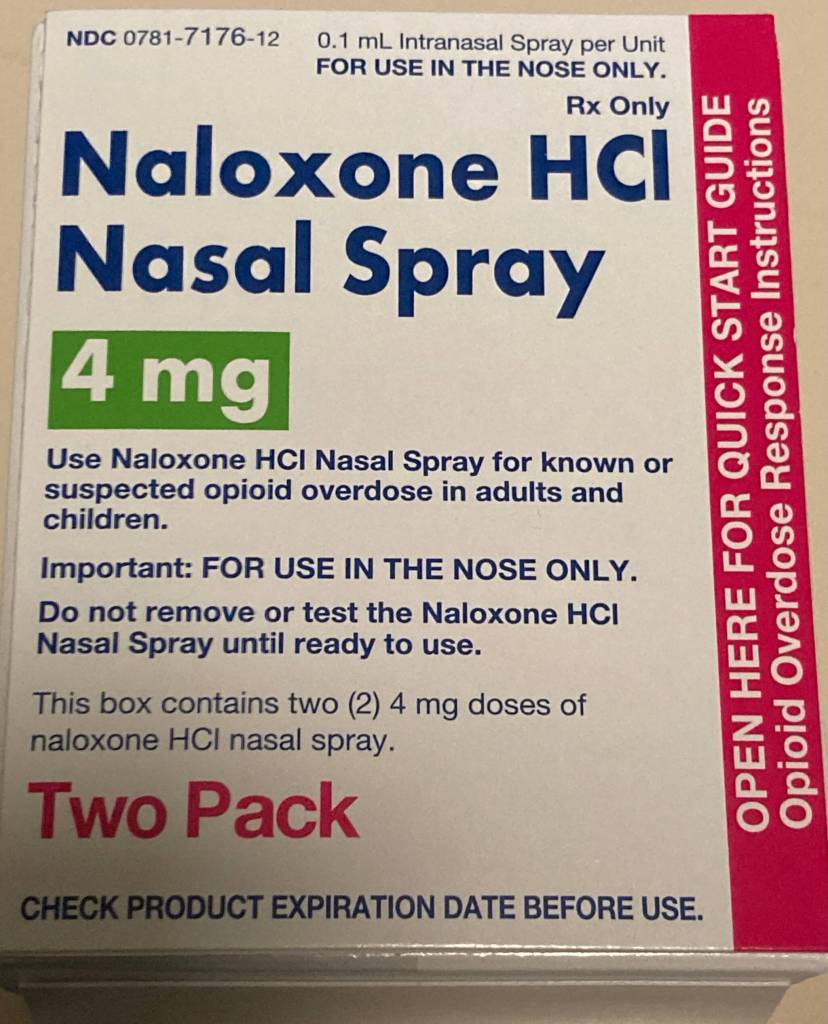
The state Department of Health announced July 31 the launch of a new naloxone locator tool, which aims to provide the public with additional options to access the life-saving drug.
Naloxone can help reverse opioid overdoses by blocking the drug’s effects and restoring breathing. DOH estimated in 2024, more than 3,100 people statewide died from drug overdoses, with opioids used in 79% of cases.
“We’re grateful to the community and public organizations across the state that continue to offer free naloxone and help keep this resource up to date,” state health officer Dr. Tao Sheng Kwan-Gett said. “The naloxone finder is especially valuable to those who should carry it: people who use opioids and those they interact with, including their friends, family and loved ones.”
The DOH’s Overdose Education and Naloxone Distribution program provides the drug to over 900 programs statewide, including 39 in Kitsap County, DOH representative John Doyle said. “In addition to the naloxone purchased by DOH, naloxone distribution in Kitsap County is supported locally by partners who use their own funding to purchase it for distribution.”
The locator tool also provides the public with an option to select the types of services based on a specific location, such as a syringe service program, and a naloxone box or vending machine. A similar tool was developed by Addictions, Drug & Alcohol Institute at the University of Washington in 2018, which aims to improve community naloxone access, per DOH.
“DOH created the new naloxone finder tool that is very similar to what pre-existed,” Doyle said.” DOH anticipates more partners will join the program and add additional locations.”
DOH does not specifically intend for partners to expand community resources beyond naloxone. However, participating community partners have the option to offer other resources such as COVID-19 rapid tests, condoms and period products.
“Some partners report that the kiosks are an important tool, especially where staffing is limited, where there is a need for 24/7 access, and in remote areas,” he said.
Siri Kushner, Kitsap Public Health District public health infrastructure division director, discussed some of the barriers to accessing naloxone. They include: stigma associated with drug use, cost, lack of knowledge around possibilities of accidental opioid overdoses, and lack of knowledge around naloxone and how to use it, she said.
KPHD provides naloxone at its downtown Bremerton office at 345 6th St., Unit 300, during business hours, and provides naloxone as part of educational training and at community events, Kushner added.
“Naloxone will not harm someone who is not overdosing and can be used on pregnant women and babies,” she said. “The Good Samaritan Law covers anyone who administers naloxone to an individual in crisis. Most people who respond to overdoses know the person that has overdosed.”
Kushner said KPHD recommends people who are prescribed opioids to have naloxone available in the event of an overdose adding, “Community saturation with naloxone will help prevent more fatal overdoses.”
For details about free naloxone, go to: doh.wa.gov/you-and-your-family/drug-user-health/naloxone-finder