‘No action alternative’ a possibility for Banner Forest plans
Published 1:30 am Monday, January 26, 2026
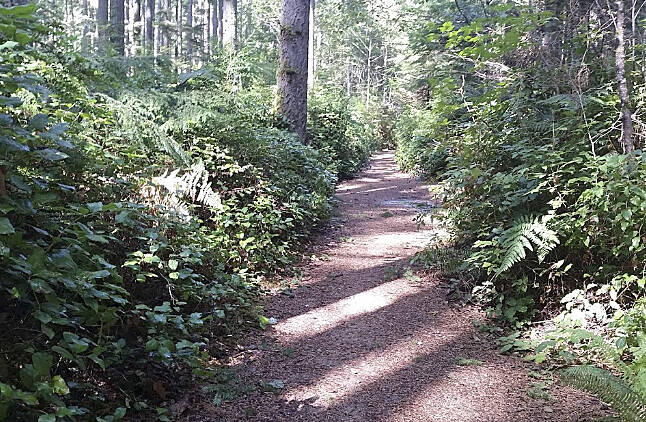
Starting in 2026, Kitsap County had plans to assess forest conditions and create a stewardship and restoration plan that may lead to some restoration treatments within a 516-acre area of Banner Forest Heritage Park in Port Orchard.
“This assessment was based on high-level, remotely-sensed planning data (collected, compiled, and provided by the Washington Department of Natural Resources). It has always been our plan to do on-the-ground data collection within the park to assess forest conditions. Following this, treatments may be applied to smaller areas within the 516 acres, as determined by the restoration needs,” Kitsap County public information specialist Erina Kong wrote via email.
Following input from the Board of County Commissioners, potential restoration treatments at the park were pushed back to at least 2027 to allow time for the park plan to be developed, public outreach and collaboration, and plan approval by the BOCC.
The policy and strategic plan, which are system-wide documents that cover 11 large parks across the county, was approved by the BOCC in December 2025. After feedback from the BOCC, Parks Advisory Board, and community members, more information was added to the approved plan to clarify next steps, Parks Natural Resources Program Supervisor Irene Weber shared.
“The strategic plan identifies, at a very high level, areas that may need restoration treatments within the forested lands Parks manages and helps Park staff prioritize planning and effort over the next 10 years,” Weber said. “The acres identified indicate areas in need of assessment for restoration and don’t represent the number of acres that will, in reality, see restoration action, including thinning.”
As of January, no thinning has been planned for Banner Forest Heritage Park. Banner Forest consists of 635 acres on protected land in Port Orchard. The land was preserved from development in 2000.
“Before thinning, we need to complete assessments of overall forest conditions and draft a park plan that will provide multiple alternatives to address any restoration needs that we find in our assessments,” said stewardship forester Kevin Ceder. “Assessment results and the draft plan, with alternatives, will be presented to the public with a request for comments. Only after a restoration alternative is chosen and approved by the BOCC will planning specific forest restoration projects begin.”
The process for restoration alternatives to be approved and for planning to begin will take approximately one to two years, Ceder shared.
“One of the alternatives will be a no-action alternative. This will assess what we expect to happen over the next 30 years without any restoration activities. This is an important part of our baseline when comparing expected short and long-term effects of other restoration alternatives,” Ceder said.
A large group of South Kitsap residents have come together to fundraise and collect signatures for a petition to put a halt to the possibility of thinning in Banner Forest. The Save Banner Forest movement has over 3,500 signatures as of 2026.
Those that are a part of the Save Banner Forest group express concerns about the possibility of selective thinning in the forest. “Banner’s current canopy keeps the forest floor cool, moist, and alive. Thinning risks drying it out, harming fungi, plants, and wildlife. By choosing proforestation and passive management, we protect the damp, vibrant ecosystem we cherish while saving costs and boosting carbon storage,” their website states.
While a dense canopy does keep soils cooler and moister, thinning can create a more drought-resilient forest that is more resistant to disease. In overstocked forests, thinning reduces ladder fuels and slows crown fires, improving root health and survival during climate change.
“We take our responsibility to these forests and the community very seriously and are committed to providing clear and transparent information about the process and our work to support healthy forests,” said Weber. “Community engagement and the best available science are key aspects of developing Parks staff recommendations to the BOCC for final decisions.”