Seawater system helps boost research at NOAA Manchester station
Published 12:00 am Thursday, January 1, 1970
The National Oceanic and Atmospheric Administration’s (NOAA ) Northwest Fisheries Research Station in Manchester sits on a 22-acre site on the coast of the Puget Sound. The research center has been operating since the 1970’s to help the local salmon aquaculture industry develop environmentally friendly, economical technologies.
The station in Manchester is NOAA’s premier marine culture and experimental research station. They have been working on developing state-of-the-art technology for salmonid and marine fish culture, helping endangered and at-risk Pacific salmon.
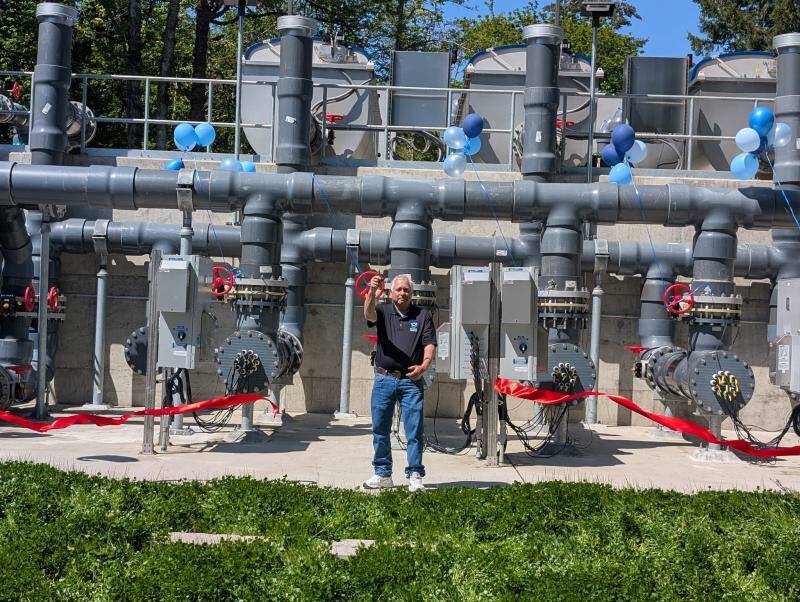
In 2025, they completed a new seawater system with reliable infrastructure that can now pump 2,700 gallons per minute of filtered seawater to provide stable, clean, and UV-treated water essential for their research on salmon, shellfish, and seaweed.
Last spring, the new seawater system was completed to help raise Pacific salmon and research other declining species in the Puget Sound. The tanks that the water supply is connected to hold these marine animals.
“This new seawater system really gives us the capacity to stay at the cutting edge of marine aquaculture for years to come,” said Manchester Station chief Barry Berejikian. “As NOAA’s premier facility, it’s exactly what we need to tackle the next big challenges—whether that’s boosting domestic seafood production, making our fisheries more sustainable, or restoring depleted marine species.”
There was also removal of contaminated soil at the 22-acre site in May 2025. The site was given to NOAA from the U.S. Bureau of Fisheries, which obtained the property from the U.S. Navy after its firefighting school there closed in the late 1990s.
Hatcheries such as those at the Manchester Station help bring back species that are on the brink of extinction. NOAA Fisheries has cooperative research and development partners, such as Puget Sound Restoration Fund, which works to restore marine ecosystems and native species in Puget Sound. The Fund grows vulnerable shellfish and seaweed for restoration efforts through the hatchery at Kenneth K. Chew Center for Shellfish and Restoration.
“These new seawater pumps will help chart the course for innovations in aquaculture and propel the Pacific Northwest—and the nation—as a leader in aquaculture science,” shared NOAA’s Manchester facility on its website.