
14 inmate fatalities reported at Kitsap Jail in last 10 years
Published 1:30 am Wednesday, April 22, 2026
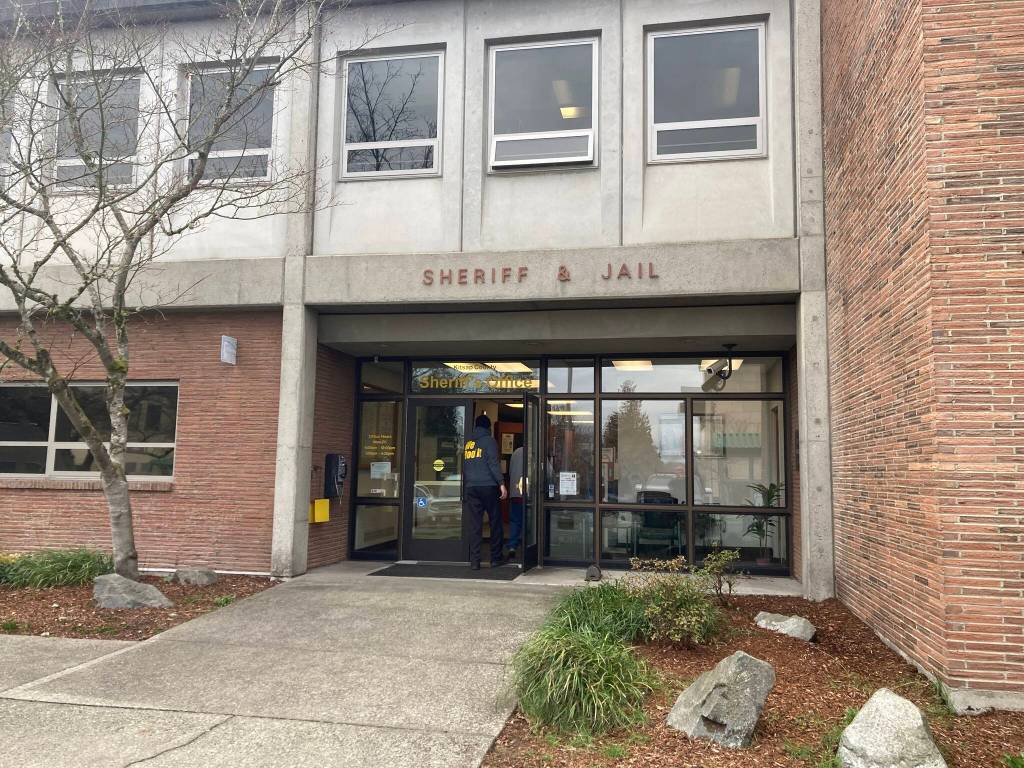
On April 2, the Kitsap County Medical Examiner identified 36-year-old Port Orchard resident Anthony Lafromboisa as the inmate who was found dead at the Kitsap County Jail March 27.
The cause and manner of death are to be determined pending the return of a toxicology analysis, per the medical examiner’s office. Kitsap County Sheriff’s Office chief of corrections Penelope Sapp confirmed the incident is currently under active investigation and declined to provide additional details, citing the investigation.
“The Kitsap County Sheriff’s Office is committed to the safety and well-being of every individual in our care. Our prevention efforts are multifaceted, focusing on comprehensive medical and mental health screenings at intake, 24/7 access to medical staff, and continuous training for our corrections officers. We view every fatality as a tragedy and use the Unexpected Fatality Review process as a tool for continuous improvement to enhance our life-saving protocols,” Sapp said.
KCSO reported 14 inmate fatalities between Jan. 1, 2016, and March 31, 2026, Sapp said.
“To provide an accurate context for this data, it is important to note that the jail provides 24-hour care, 365 days a year. During this ten-year period, the facility has managed hundreds of thousands of inmate-days (the total number of days all inmates spent in custody) and tens of thousands of individual bookings. When viewed against the scale of these operations and the high-risk nature of the population served, the rate of fatalities remains extremely low,” Sapp said.
On Aug. 27, 2025, KCSO reported the death of a 58-year-old man with a Clallam County address, which the medical examiner determined was suicide.
Sapp said KCSO doesn’t conduct primary death investigations for fatalities reported at the jail.
“Deaths related to a Use of Force incident are investigated by the Washington State Office of Independent Investigations (OII) or an Independent Investigation Team (IIT). All other death investigations are handled by the Port Orchard Police Department, an independent law enforcement agency,” Sapp said. However, KCSO is responsible for internal administrative investigations, which are conducted after criminal investigations are finalized.
POPD general investigations sergeant Josh Horsley outlined the agency’s role in death investigations.
“Our job is to go with the assistance of the medical examiner. We work side by side when it comes to any death investigation, and it’s our job to investigate what happened, how the death occurred, and if there was a crime involved or not,” he said.
Horsley said the jail is within the City of Port Orchard, and the agency would have primary jurisdiction to investigate fatalities. POPD likely wouldn’t investigate a use-of-force incident or an incident where POPD booked an individual to avoid a potential conflict of interest. At that point, they would request an outside agency to investigate, he said.
“We’re going to take the time to make sure we cover everything in a jail death investigation. So we’re going to wait for toxicology reports, which can take up to three months. We’re going to wait for any type of evidence taken to be analyzed, just because of the severity of it, and we want to be as transparent as possible,” he said.
Unexpected Fatality Review
Since 2021, state law has required an Unexpected Fatality Review to occur when the death of an incarcerated individual is unexpected or any case identified by the Office of Corrections Ombuds for review. The reports are shared by the State Department of Health, which posts them to an online platform accessible to the public.
“The primary purpose of the Unexpected Fatality Review shall be the development of recommendations to the department and legislature regarding changes in practices or policies to prevent fatalities and strengthen safety and health protections for prisoners in the custody of the department,” per state law.
The chief of corrections or chief law enforcement officer determines the membership of the team and conducts an Unexpected Fatality Review, with no statutory requirement outlining a specific number of entities with specific expertise to serve on the team. However, participants are required to have no previous involvement in the case under review, per state law. “While the number of participants may vary depending on the circumstances, KCSO typically ensures a multidisciplinary approach by involving jail administrative leadership, external medical professionals, and public health experts to meet the expertise standards required by the legislature,” Sapp said.
Sapp said state law requires jails to address recommendations through a formal corrective action plan, but it doesn’t require the jail to adopt or implement committee recommendations, adding, “the responsibility for the final corrective action plan and the operation of the jail remains with the governing unit or the chief law enforcement officer,” she said.
Medical services
Sapp said KCSO provides on-site medical staff 24 hours a day, 365 days a year. Corrections officers undergo annual training, including: first Aid, CPR, and automated external defibrillator (AED). Additionally, correctional staff undergoes additional training, including suicide prevention and intervention, recognition of overdose and withdrawal, and emergency triage and staging training.
Medical services at the jail are provided by Everhealth, a subsidiary of NaphCare, an Alabama-based jail medical service provider, which has provided medical services at Kitsap County Jail since Jan. 1, 2019. Dana Jackson, a NaphCare director of communications, shared some of the complexities of providing medical care within a jail.
“One of the challenges inherent to providing healthcare in a jail is balancing the importance of both security and medical access to care. We work closely with our correctional partners to ensure we can provide safe, timely access to treatment for patients, whether that is onsite at the jail or offsite through secure transportation to a community healthcare provider. Additionally, many individuals who enter the correctional system have had limited or no access to medical or mental health care in their communities. For some, incarceration is the first time they are diagnosed with health or mental health conditions or begin to learn how to manage their own care. Our patients often present with higher rates of chronic illness, infectious diseases, trauma, mental health disorders, and substance use disorders. The challenge is to stabilize patients – often with complex and diverse needs – quickly in order to protect their wellbeing while under our care and provide effective treatment that will give them a healthier return to the community,” Jackson said.
Everhealth officials report 32 employees across roughly 19 positions who provide 24/7 medical services at the jail. Jail medical staff participate in monthly man-down drills, annual disaster drills, and staff are required to maintain CPR and AED certification. NaphCare declined to provide copies of training materials and instead referred to the following statement. “Everhealth conducts regular emergency preparedness training, including man-down response and disaster drills, in coordination with facility leadership and in alignment with applicable standards.”
KCSO also declined to provide copies of man-down drills, citing safety/security concerns, adding, “While we are committed to transparency, we do not release tactical syllabi or specific details of emergency and escape response plans as this would reveal sensitive security information or unique emergency response plans. Disclosing the specific details, movement patterns, and response times contained in these syllabi could compromise the safety of staff and inmates by revealing sensitive operational procedures,” Sapp said.