DNR, SK students collaborate on future of nearby forest
Published 1:30 am Wednesday, April 1, 2026
The state Department of Natural Resources is partnering with South Kitsap High School students to help the school district decide what to do with a nearby forest it owns as part of their Wildcrest Program.
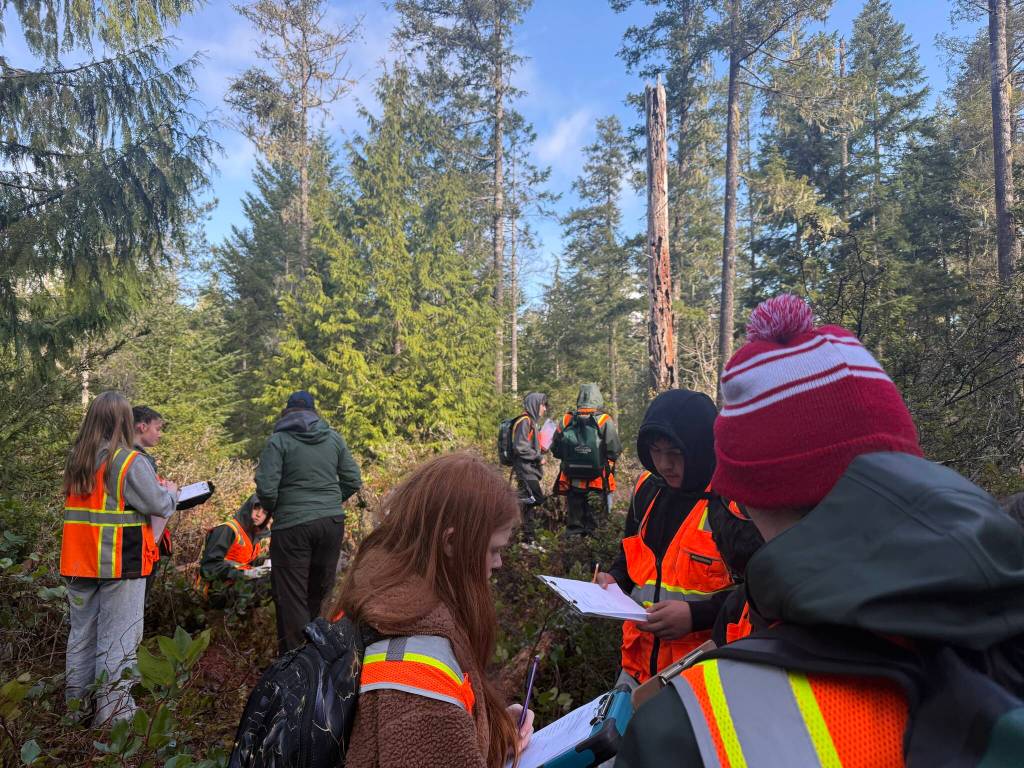
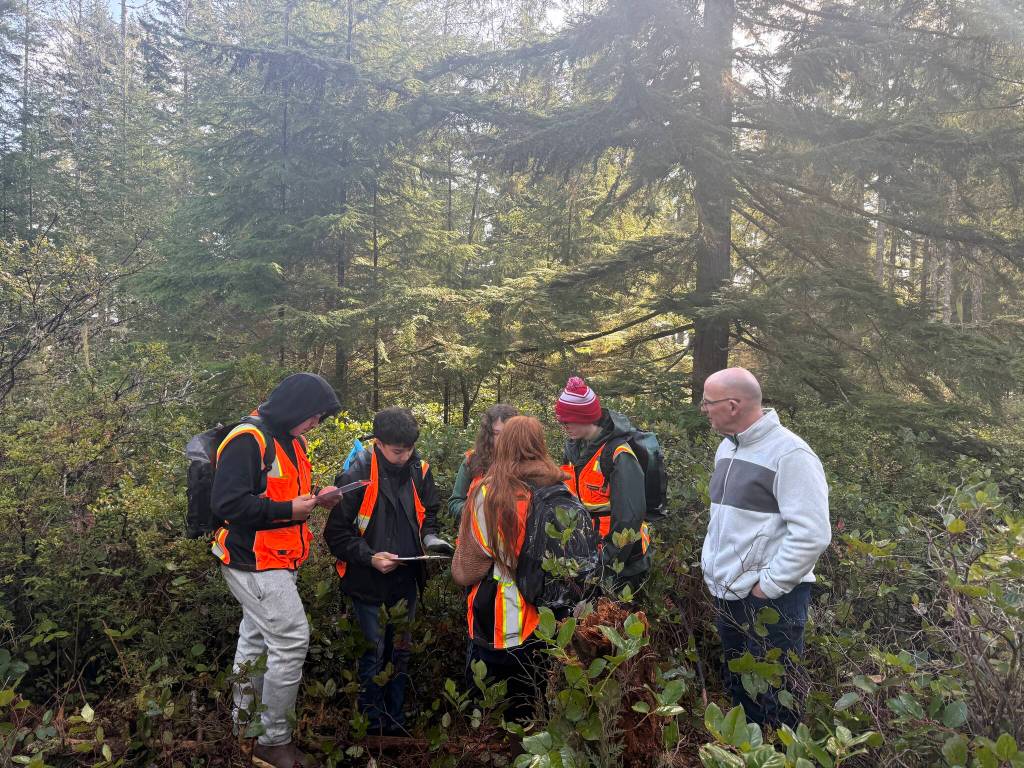
On March 26, the students and DNR took a trip to a forested area south of Gorst to apply data the students have collected in a forest management context. DNR is partnering with SKHS to empower students to learn more about land management, forestry, conservation, and recreation, they shared.
The new program with SKHS, called Wildcrest Expeditionary Learning Program, provides ninth graders with interdisciplinary outdoor education opportunities through biology-themed courses. The hands-on, project-based program began this year with 40 students, and will expand to tenth graders in the 2026-27 school year. SKHS has already seen high popularity of the program due to application numbers reaching over 100 in their first year. The program includes field studies, community service, and interdisciplinary projects that connect all subject areas as students work with teachers and industry experts.
“What do the field experiences bring to me? Beauty, love, patience, humanity, inspiration, hope,” Deirdre Young, a SKHS ninth-grade student, shared about their experience with Wildcrest.
Wildcrest was created by SKHS CTE director Sara Hartfield, with the help of SK School District superintendent Tim Winter and SKHS teacher Candace Barich. “This is how I imagined teaching and learning would be back when I started my career as an educator, so I am very appreciative of the administrative team in South Kitsap for believing in unique programs such as this,” said Barich.
The current question Wildcrest students are exploring is: What do you recommend SKSD do with the property near McCormick Woods?
On March 26, the students went out to the forested property owned by SKSD to put their skills to the test. They broke off into groups and brainstormed ways that the district could use this space. The three main themes they focused on were wildlife, recreation, and timber. The students were given freedom to mark the land with flags and tape, showcasing what they saw to be fit for the future of the land. They then shared with each other their ideas, while others provided questions and feedback.
“Working in conjunction with the Washington State Department of Natural Resources educators and foresters, students have been to the site four times,” shared Barich, who is now Wildcrest’s program coordinator. “They have collected all kinds of data, from tree height/diameter, soil health, human and natural disturbances, native vs. invasive species, tree counts, etc.”
From this collected data, students will write an argumentative essay defending their claim for how the property should be used, along with some other products, and present their findings to a community audience. “Of course, we have not passed a bond in many, many years, and the original intent of this property was to be a second high school for our community,” said Barich. “That intent may or may not change, based on students’ recommendations.”
Barich added: “One goal for our program is that students work with real people doing real work and students learn how to apply what we teach them in the classroom to real-world problems happening around us. Students get exposure to all kinds of environmental careers and experts and develop a real understanding of what it means to work in the field of whatever topic we are covering.”
Currently, SKSD is borrowing space at the Port Orchard Armory and is in need of its own classrooms as the Wildcrest program continues to grow.