Transfer approved to expand Stavis Natural Resource Conservation Area
Published 1:30 am Wednesday, March 4, 2026
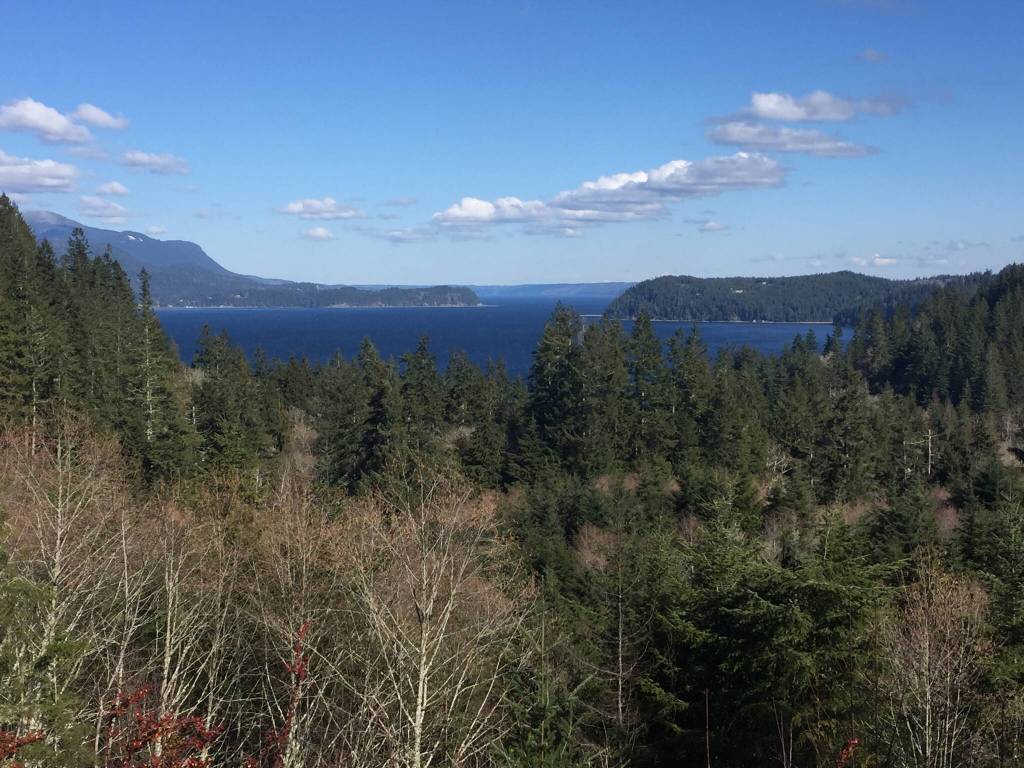
The State Board of Natural Resources approved a Trust Land Transfer March 3 to expand the Stavis Natural Resource Conservation Area in Kitsap County, one of the only extensive, mature, and old-growth forests in the Puget Sound lowlands.
The addition of a nearly 6-acre parcel will extend the boundary of the existing Stavis NRCA, located near Seabeck. Burned by wildfire 130 years ago, the forest at Stavis NRCA naturally regenerated. Few forests this old remain on the Kitsap Peninsula. As a result, mature forest communities in the NRCA are considered a high priority for protection, a news release says.
“Expanding the Stavis NRCA is just one small example of why the Trust Land Transfer program is such a valuable tool for conservation,” said Commissioner of Public Lands and board chair Dave Upthegrove. “This transfer allows us to protect irreplaceable examples of mature and old-growth forest on the Kitsap Peninsula for the benefit of all who value our state’s natural resources.”
The NRCA includes the east and west forks of Stavis Creek, which come together to drain into Hood Canal, where the summer chum salmon run is federally listed as threatened. Stavis Creek is an important salmon recovery area, providing quality spawning ground for adults and important habitat for juveniles. The site also provides habitat for black-tailed deer, black bear, and many other species, per the release.
NRCA’s protect outstanding examples of native ecosystems, habitat for endangered, threatened, and sensitive plants and animals, and scenic landscapes. More than 128,870 acres are conserved in 39 state NRCAs managed by the Department of Natural Resources.
The transfer is part of DNR’s Trust Land Transfer process and is fully funded by the legislature. This program transfers economically underperforming lands with high ecological values and public benefits. Many transferred parcels are designated as parks, open spaces, nature preserves, or similar uses.
“One of my most important responsibilities as commissioner is ensuring our state’s critical environmental resources are conserved for future generations of Washingtonians,” continued Upthegrove. “The Trust Land Transfer program gives communities across Washington the chance to be part of that conservation, by identifying and nominating parcels in their neighborhoods.”