
Vegetable oil getting North End engines started
Published 4:00 pm Wednesday, October 18, 2006
KINGSTON — There are so many predictions for the future, and how current actions are shaping it, that it can make one’s head spin. Ideas and inventions to preserve the Earth and live in harmony with nature are coming out of the woodwork, but seem too far-fetched to be reality.
But in Kingston, the future is here and takes the odd form of three men and several thousand gallons of cooking grease.
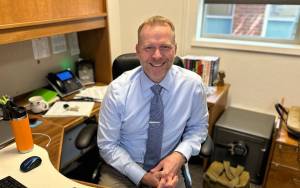
Stu Stranahan, Brett Thackray and Sam Hadley have set up their biodiesel shop, Olympic Biofuels, in the heart of North Kitsap, just off of Minder Road, and they are ready to start pumping diesel engines full of their modified oil.
“We buy restaurant grease in bulk and turn it into biodiesel,†Stranahan said, adding that in the future, the company plans to pursue buying canola and soybean oil from Eastern Washington farmers to further its business.
Olympic Biofuels is still waiting on final permits before it begins production, but once it swings into action, it will be the first biodiesel production company in Kitsap County, and one of few in the state, Stranahan said. It will provide the alternative fuel source to Kitsap, Jefferson, King and other nearby counties.
“(Biodiesel retailers) are very excited because right now they are shipping biodiesel in from the Midwest,†he said, explaining that this can almost be counterproductive to using biodiesel. “This way, we keep the small business in the local area. It keeps waste local. It keeps revenue local. And it doesn’t have to be shipped very far to retailers.â€
As far as waste is concerned, Stranahan said when converting biodiesel, the waste product is glycerine, which is also marketable.
“That’s the good thing about our business, is that there is no waste trail at all,†he said.
Stranahan started out with a bachelor’s degree from University of California, Santa Barbara in mechanical engineering, but has worked a myriad of jobs before deciding that biodiesel was his calling. His last job was as a career firefighter with Central Kitsap Fire & Rescue, and he said that’s when the biodiesel bell started chiming in the back of his head. He saw CKF&R use biodiesel, and started wondering if it would be possible to convert the product into a career.
“The mechanical part isn’t hard at all,†he said. “It’s the running the business part that’s hard.â€
The company already has a list of customers waiting to receive the converted oil, and as soon as proper permits are attained it will be up and running, Stranahan said, adding that the demand is definitely there for the alternative fuel source.
There are also many myths about using biodiesel that Stranahan said should be cleared up. For example, cars built after 1993 do not need any kind of conversion to begin using biodiesel. Also, biodiesel is mixed with petroleum-based diesel, usually at a rate of 20 percent biodiesel or lower, the rest is petroleum diesel, he said.
For more information and myth busters, Stranahan recommends visiting www.biodiesel.org.


Best of Kitsap