Task force studying region’s transportation future
Published 12:09 pm Tuesday, March 17, 2015
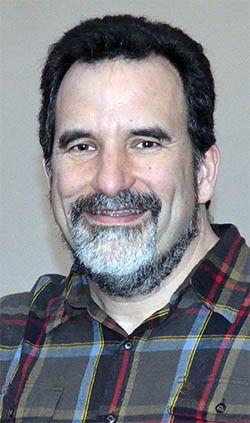
SEATTLE — Suquamish Tribe Chairman Leonard Forsman has been named to the Transportation Futures Task Force, which is studying the central Puget Sound region’s long-term transportation needs and funding for solutions.
Other members of the 16-member task force include former Sen. Slade Gorton, former Rep. Norm Dicks, King County Executive Dow Constantine, and Seattle Mayor Ed Murray. The task force had its first meeting on Feb. 25 in the Puget Sound Regional Council offices in Seattle.
According to www.thefuturestaskforce.org, the task force is charged with conducting a comprehensive assessment “to ensure transportation systems meet the challenges of the four-county region’s growing population and our dynamic economy for the next 30 years and beyond.”
Task force members will spend the next year examining:
— Where the region is headed demographically and financially;
— Transportation trends and new technology and how they might change travel;
— Financial, equity and environmental issues that need to be considered; and
— Potential funding alternatives.
The task force will issue a final report recommending actions and policies that provide sustainable approaches for the region’s future.
The year-long assessment will examine leading demographic, land use, economic, technology and financial trends in transportation and make recommendations on how to best meet long-term transportation needs
“This region is at a critical crossroads,” said Troy McClelland, president and CEO of the Economic Alliance Snohomish County and a task force member. “Five million people are projected to be living in the four-county region within the next 25 years, maybe sooner. We must invest in our transportation system. It’s not just about mobility, it is also about our economy and our quality of life.”
Hilary Franz, a task force member and Futurewise executive director, added: “Investments in improving roadways, bridges and high-capacity transit are already being outstripped by demand. We’re just not keeping up. Traditional revenue sources are no longer capable of maintaining or improving mobility in our growing region.”
Over the next year, the task force will meet monthly, review data and technical studies that have been produced for them, reach out to stakeholders, gather public input and develop recommendations for the next 30 years and beyond.
Best of Kitsap