
Kingston team’s winding journey to high finish at Race to Alaska
Published 1:30 am Friday, July 10, 2026
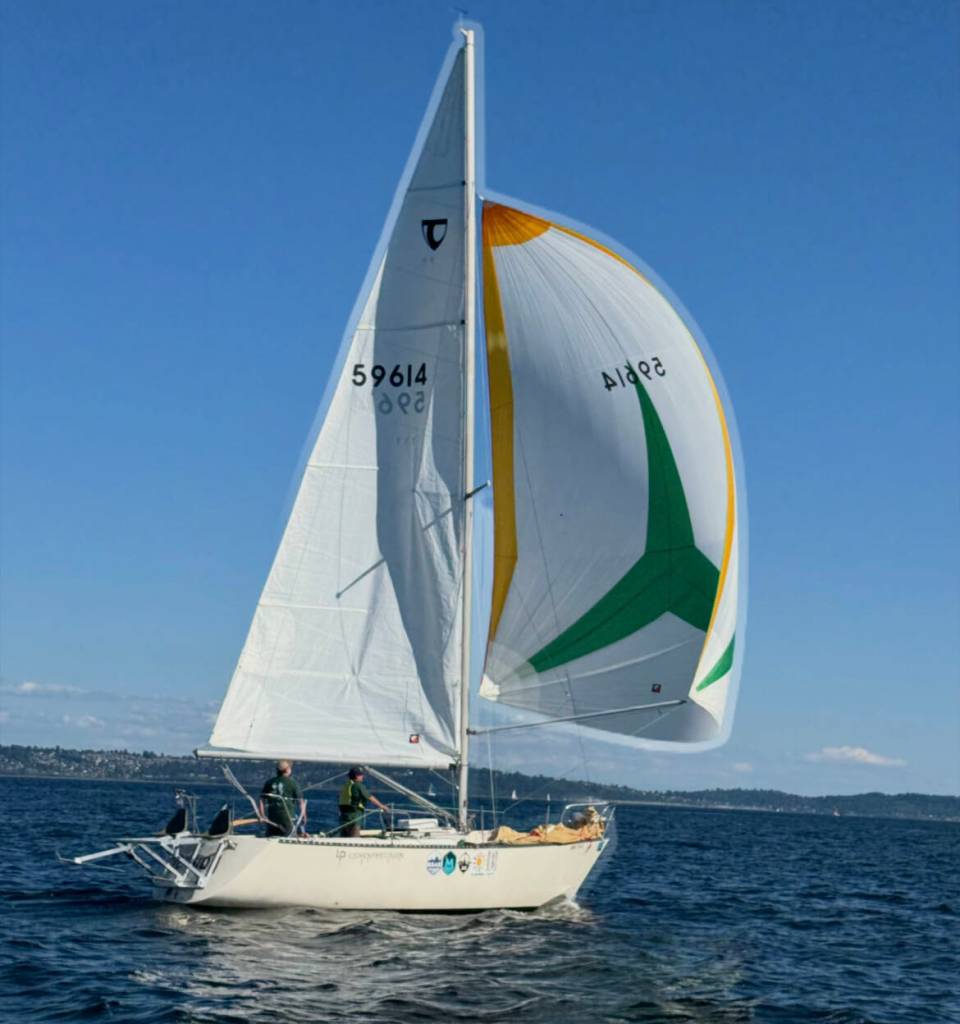
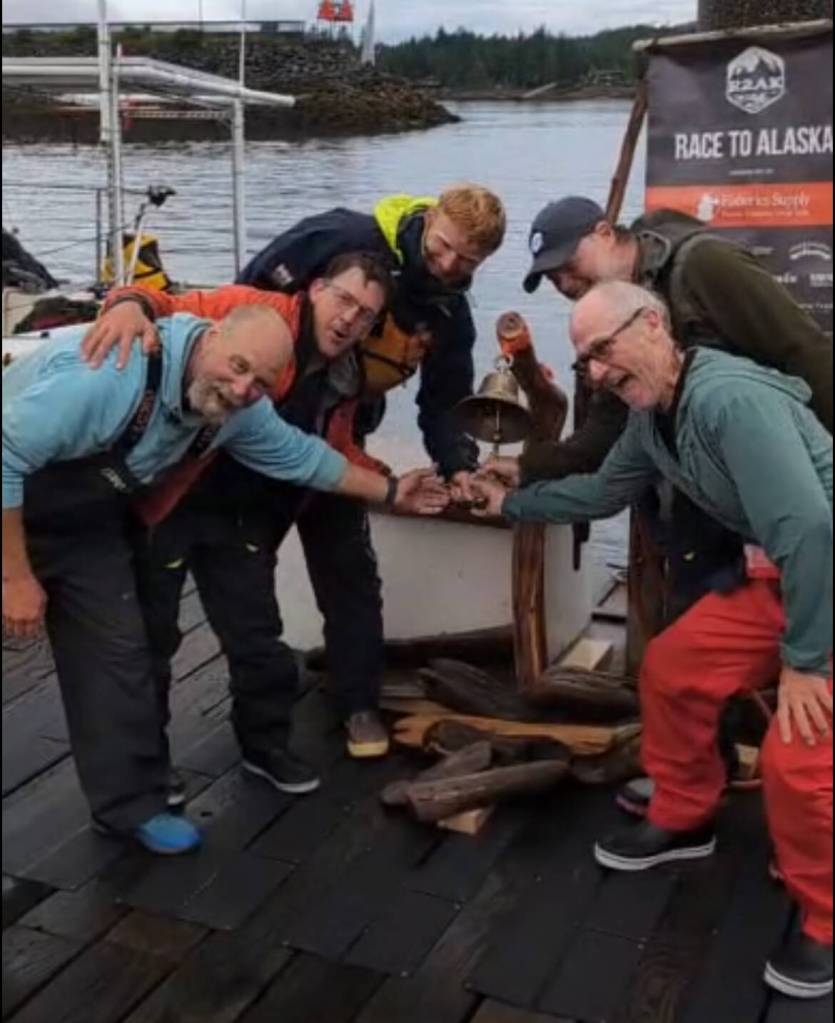
The 2026 Race to Alaska is now in the books. Kingston-based Team Calorically Dense finished 11th for monohull boats and 13th overall, out of 65 competing vessels. Boats from across the country, of varying sizes and designs, compete in the annual 750-mile race.
The team of five experienced sailors, including captain Bruce Chandler, skipper Ryan Metz, team captain Clark Bowen, boat owner Jeff Pavey, and crew member Ted Schmid, crossed the finish line June 26 in 8 days, 18 hours, and 47 minutes from the start of the race from Port Townsend June 14.
Jake Beattie, CEO of the NW Maritime Center located in Port Townsend, is credited with originating the idea for the Race to Alaska in 2014, with the first race taking place in 2015. First prize is $10,000 cash, and second prize is a set of steak knives.
The race begins in Port Townsend, with the first stop in Victoria B.C., only 40 miles away. However, this stretch of open water, across the Strait of Juan de Fuca, is rightfully known as the Proving Grounds. Boats and crews are tested here by the difficult sailing conditions. Those entrants unable to successfully complete this crossing in the allotted 36 hours are eliminated from the race.
The remainder of the course follows the inside passage north along Vancouver Island, into the Queen Charlotte Sound, and Hecate Strait, ending in Ketchikan, Alaska. The 710 miles of unpredictable weather and dangerous sailing conditions can be challenging in the best of circumstances. The element of adventure is heightened by the rules of the race, which state that the boats must be engine-free. Boats must use only wind and sail power, rowing, or pedaling to reach their destination. No support crews are allowed to deliver food or assistance to the competitors. Crews must rely on their own abilities, creativity, and perseverance to meet the challenges of weather and sea conditions.
In a June 13th interview, Chandler said, “I’m ready. Five in the morning, the race starts, and we will just head right out. The tide is favorable in the morning.”
Team Calorically Dense made it to Victoria in 10 hours, well within the time limit.
The first night out, leaving Victoria, was the hardest. The team decided on that night to go around the outside, into the Strait of Georgia. Bowen said that decision benefited them for the rest of the race. “But on the first night, it did not. We have 30-plus knot winds and, fortunately, the boat could handle that, but we could not make any headway in those steep pitches (waves).” The captain, Chandler, decided to seek shelter, regroup, and regain their confidence, “and that was a good call,” said Pavey. “That was our hardest night.”
In a race that saw two boats dismasted, one run up on rocks, and several rescues, the team’s boat, Tension, performed heroically. Purchased for $2,400, she was stripped to the hull for sailing weight, with rigging of unknown age. In waters that are notoriously arduous, with punishing weather, Bowen said, “the fear for us is that the boat could break apart. If we were below deck sleeping, you could hear the mast creaking, stretched out and tensioned.” At times, the crew exercised caution to keep the boat in one piece and lost some speed in so doing.
Team Calorically Dense spent over a year preparing for the race. Even the name reflects that preparation. Recognizing the limited space on board, the need for nutritious energy in a calorically dense form was paramount. Tension was stocked with peanuts, peanut butter, apples and jerky. Bowen said that the crew had to be reminded to eat at times, as they became attuned to the rhythm and work of sailing.
The crew relished total immersion in the natural world, with sightings of whales, porpoises, and otters by day and moon and stars by night.
“Much of the shoreline and pocket islands we passed are hardly touched by humans. The unpredictability of the seas and weather are decided by Mother Nature, and we have to respond to what’s coming at you,” said Pavey.
All agreed that the sense of adventure and self-reliance were the most rewarding aspects of the race for the crew. To illustrate, for those not used to sailing at night, Chandler said, “it pushes the skill set. It was exhilarating for us to test ourselves in those conditions…if the winds are 25 knots, if it’s cloudy with limited visibility, it tests your skills on how well you can follow a compass course and trim your sails in the dark.”
Near the end of the race, a day out from Ketchikan, it had started to rain. Everyone was soaking wet and cold. The Tension had passed another boat and wanted to maintain that lead. Pavey said, “About a mile from the finish, we lost our wind completely. We did not want to lose our position, so we put every ounce we had into crossing the line. We had four men rowing and one man pedaling. We made it, but if we had much more distance to go, we would not have.” They crossed the finish line three minutes ahead of the other boat.
Nothing beats that feeling of crossing the line. “I’ve had lots of adventures, but this is the top of the pile,” said Pavey.
Team Calorically Dense is already planning for next year’s race.
Vicki Biggs lives in Indianola and writes for Key Peninsula News.



Best of Kitsap