Buddhist peace pagoda, next to NBK-Bangor, nears completion
Published 1:30 am Friday, February 13, 2026
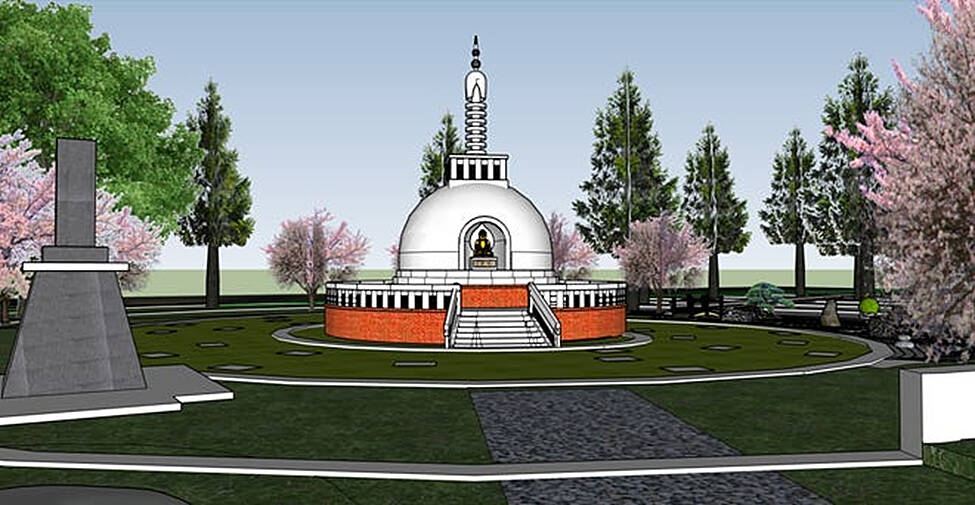
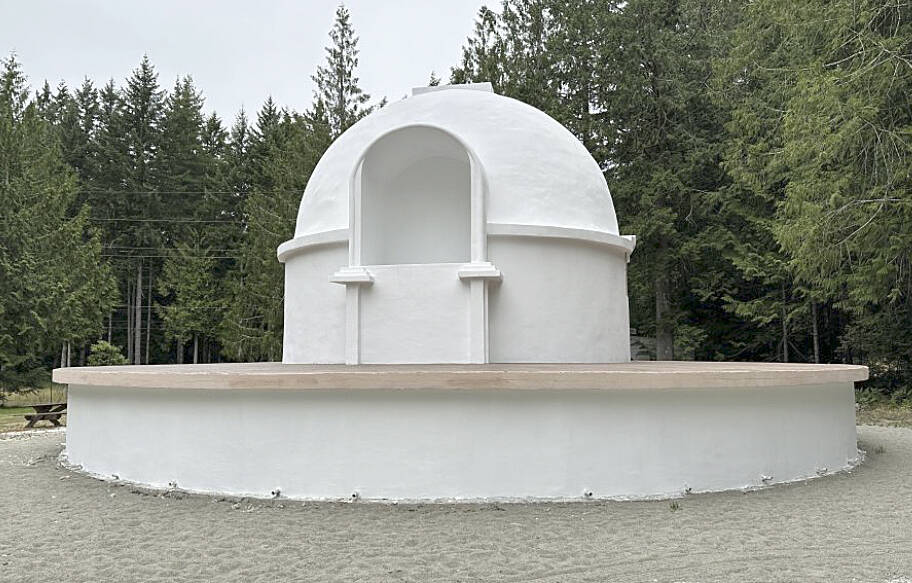

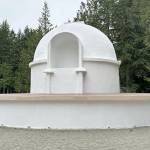
A Buddhist peace pagoda – more than 40 years in the making – is nearing completion in the shadow of Naval Base Kitsap-Bangor, home to a significant portion of the nation’s nuclear submarine fleet.
The Pacific Northwest Peace Pagoda, located about 100 feet from the fence of the military base, is set to open in late May. Its development is a collaborative effort by Bainbridge Island’s Nipponzan Myohoji Buddhist temple, which advocates for world peace, and Ground Zero Center for Nonviolent Action, a grassroots peace movement organization that opposes nuclear weapons.
The pagoda, or stupa, will be a symbol of world peace, said Reverend Senji Kanaeda, of the Nipponzan Myohoji sect. Kanaeda is a Buddhist monk who has organized several peace walks and is the son of Japanese peace activist parents.
Funding for the undertaking came from Nipponzan Myohoji and supporters of the Buddhist community, Kanaeda said.
The symbolic peace tower sits on a 3.8-acre parcel of land owned by Ground Zero. Construction has been managed by Kanaeda’s local temple.
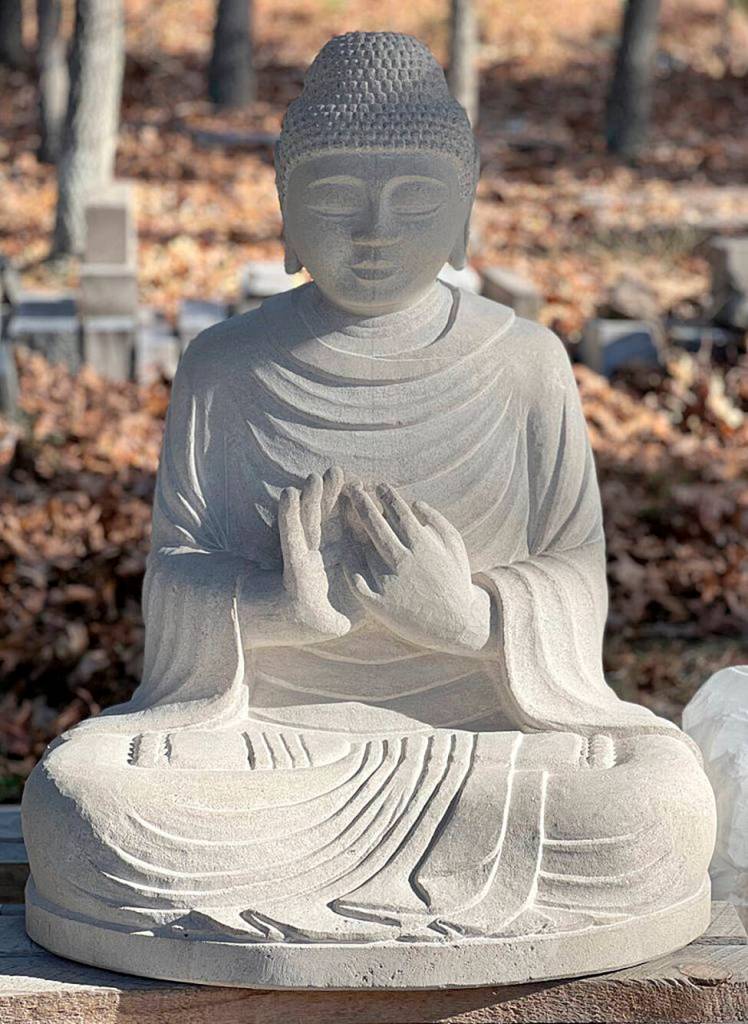
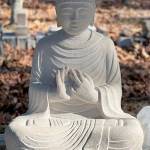
A six-foot limestone Buddha will be the centerpiece of the structure. Some ashes, or relics, of Buddha, the founder of Buddhism, will be entombed in the pagoda, per organizers.
Design of the pagoda follows traditional stupa layouts with an Indian style dome-shaped building, topped by a spire, or sōrin, Kanaeda said. The structure is 44 feet in diameter and 42 feet tall.
The main structure is completed, the reverend explained. A decorative fence, front staircase and installation of the spire still need to be installed.
The chamber’s limestone Buddha was carved by Thomas Matsuda, a Japanese American Buddhist sculptor residing in Massachusetts. The statue will be installed just prior to the dedication ceremony.
Local talent contributed to the project. Bainbridge Island architect John Paul Jones developed the final plans, working off an original design by Keizo Takashita of Osaka. Jim Lyman, of Seabeck, supervised construction. Quaker sculptor Craig Jacobrown, of Bremerton, created relief panels for the pagoda that depict scenes from Buddha’s life.
Worldwide, there are over 80 peace pagodas built by the Nipponzan Myohoji sect. They are located throughout Japan and other Asian countries, as well as Vienna and London. The first pagoda was erected in 1950 in Kumamoto, Japan, following the aftermath of World War II. The Poulsbo pagoda will be the first one on the West Coast and the third in the United States after Massachusetts and New York.
It has taken over four decades to complete the pagoda. Delays were caused, in part, by denial of the original building permit, which resulted in litigation, and two fires on the property—one electrical and the other suspected arson, Kanaeda said.
Buddhist monks and nuns will travel from around the world to dedicate the pagoda upon its completion. A time-honored ceremony will take place. Afterward, the pagoda will be open for the public to visit, organizers said.