
Traffic data exposes high rate of speeding in McCormick neighborhoods
Published 1:30 am Tuesday, June 4, 2024
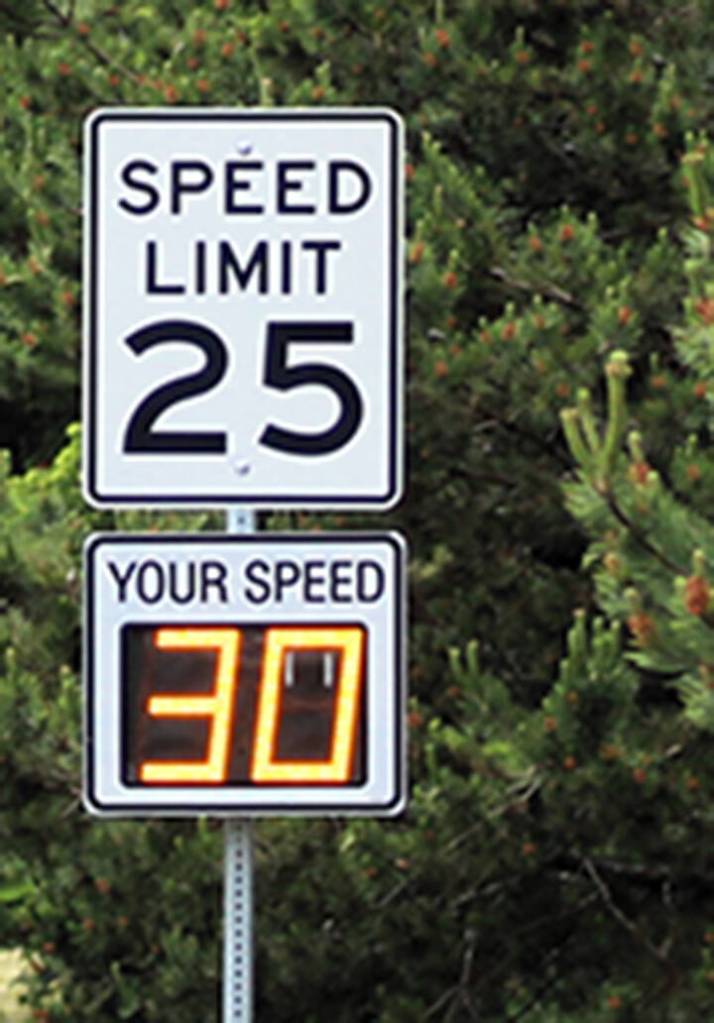
City leaders continue to monitor high volumes of speeding in the heavy residential districts of Port Orchard but are finding that not all methods of deterring such habits are being welcomed with open arms.
The McCormick communities are the latest of these housing districts where a “horrible” problem on the roads has caught the public ire of Mayor Rob Putaansuu and other elected officials. Data captured over a three-week period in April along McCormick Woods Drive using mobile speed signs showed over 70% of drivers were speeding in each week.
Putaansuu said maximum recorded speeds ranged from 43 mph to 73 mph, all within the 25 mph zone. “This is why we need more police officers because the only way we’re going to change this behavior is to write tickets. This is horrible what we’re seeing,” he said.
The mobile signs were installed April 10 and monitored traffic in stealth mode for the first week. Drivers saw their speed flashed at them in the other two weeks.
Putaansuu said, “The data gathered will give us a better understanding of the severity and the times that we are experiencing speeding. This data will allow the city to focus our valuable police resources to address speeding at the most beneficial times.”
The effect the flashing speed sign had on reducing speeding was evident in data but relatively small. After capturing 76% of the average 665 cars on the road speeding in the first week, that percentage reduced to 73% in week two and to 71% after the third week.
Still, that’s not enough for residents who have known for years the problems with speeders on McCormick Drive. Carl Windsor said he’s seen no slowdown in the rate of speeders since moving to his house in 2013. “If there is no punishment to fit the crime, people are just not going to see it as a crime,” he said.
The city installed speed bumps on nearby Marymac Drive as part of a pilot program to control speeding. However, the city announced May 22 the speed bumps had been removed. Putaansuu said the bumps were not well received by the community, evidenced by a comprehensive engagement survey. Over 70% of respondents of the survey believed the bumps to be ineffective and wanted them removed.
The decrease yielded by the signs is also too small for residents like Windsor, who said more methods of slowing down traffic must be used. “Put in stop signs,” he said. “What I’ve seen is people using that speed sign to make sure their odometer is working and nothing more. It’s crazy out here, especially with people out there walking their dogs along the road, too.”



Best of Kitsap