
When the jokes about Kevin Hart went too far
Published 1:30 am Friday, May 29, 2026
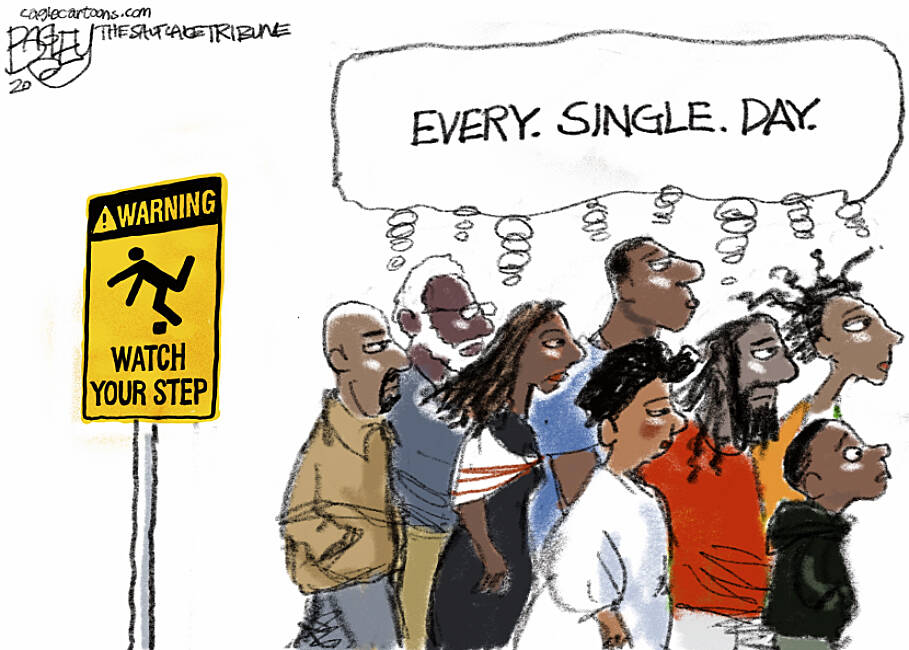
There has been a great deal of reaction to the recent roast of Kevin Hart, and not all of it has been positive.
The raucous event, which streamed on Netflix earlier this month, included acerbic jokes from a who’s who of comedians. Pete Davidson and Tony Hinchcliffe both made jokes alluding to but not overtly saying the N-word, while Hinchcliffe added some truly insensitive jokes involving George Floyd. Shane Gillis, Jeff Ross, and even Dwayne Johnson joked about Hart’s late father’s drug addiction.
Ross summarized the event’s philosophy the next day with a phrase that unintentionally captured the drama: “Nothing was off limits.”
“Saturday Night Live” star Michael Che seemed to hit the nail on the head. Taking issue with the event’s writers, he said, “White guys and Black people joke different. Black guys roast like, ‘look at this [N-word] shoes!’ White roasts are like, ‘slavery, math, slain teens, sex crimes, slurs, family secrets, etc.’”
The question is not whether celebrities or political roasts should have boundaries. Rather, it is whether adhering to the doctrine of “nothing is off limits” demands a level of understanding between the comedian and the audience about who is espousing such rhetoric and the reasons for doing so.
When tragic and horrifying situations, such as George Floyd’s lynching, become the highlight of discussion during the honoring of a Black celebrity, it’s right to question who is espousing such comments — and whether they have secured the cultural legitimacy to verbalize them in such an environment. Additionally, both the N-word and the subject of lynching have a deep, dark, and sordid history in America. Neither should be perversely manipulated or ridiculed on a whim for a laugh line.
That said, a number of people across racial lines, including Blacks, have weaponized the term for varied gain. Those of us old enough can remember the Anita Hill–Clarence Thomas saga in the fall of 1991. The hearings were a dramatic and riveting spectacle filled with sleazy revelations and coarse words, including Thomas’s declaration he was “the victim of a high-tech lynching for uppity Blacks who deign to think for themselves.”
To me and other people of color, Thomas comparing his situation to a lynching was the most outrageous moment of the entire saga. He undoubtedly caught the Judiciary Committee off guard, too. Say what you will, I have to concede that Thomas demonstrated perverted cleverness and genius. Although a dishonest and insulting tactic, it successfully elevated him to the highest court in the U.S. While I abhor his stunt, Thomas must have known that it would work in his favor.
Other high-profile Black men have followed Thomas’s lead. They include disgraced mega entertainer and convicted felon Bill Cosby, the late Virginia lieutenant governor Justin Fairfax, and currently incarcerated R&B music superstar Robert Kelly (aka R. Kelly). They all claimed they were the victims of lynchings.
To my knowledge, none of them had a noose tied around their neck or were brutally drowned in a river with materials strapped to their bodies. None was strung up from a large oak tree. None had their hands, feet, or genitals cut off (in some cases stuffed in their mouth), gasping their last dying breaths as crowds of white men, women, and even young children gawked with animalistic glee, hurling racial epithets and other ribald comments as the bodies limply swung back and forth from a tree.
For added “entertainment,” the killers could have doused the victims with gasoline, set them on fire, and allowed them to burn to ashes. Afterward, vile and crazed spectators would frantically pick at the seared corpses to collect severed body parts as souvenirs or for other unthinkable purposes.
Some Black men in history were indeed lynched. For example, Emmett Till and George Stinney Jr., both teenage Black boys in mid-20th century America. Many Black men and some women were taken from their homes in the middle of the night or sometimes in broad daylight. Black families in the South and other parts of the nation, their homes firebombed in the middle of the night while they slept, unable to escape the flames and burned to death, were lynched.
The sadistic practice has a long and ugly history. Its cruel, rapacious, and vile legacy is nothing to joke about. It’s an affront to the thousands who endured such an abominable experience.
Copyright 2026 Elwood Watson, distributed by Cagle Cartoons newspaper syndicate. Elwood Watson is a professor of history, Black studies, and gender and sexuality studies at East Tennessee State University. He is also an author and public speaker.

Best of Kitsap