
GPC plants over 16,000 native trees across five nature preserves
Published 1:30 am Thursday, March 19, 2026
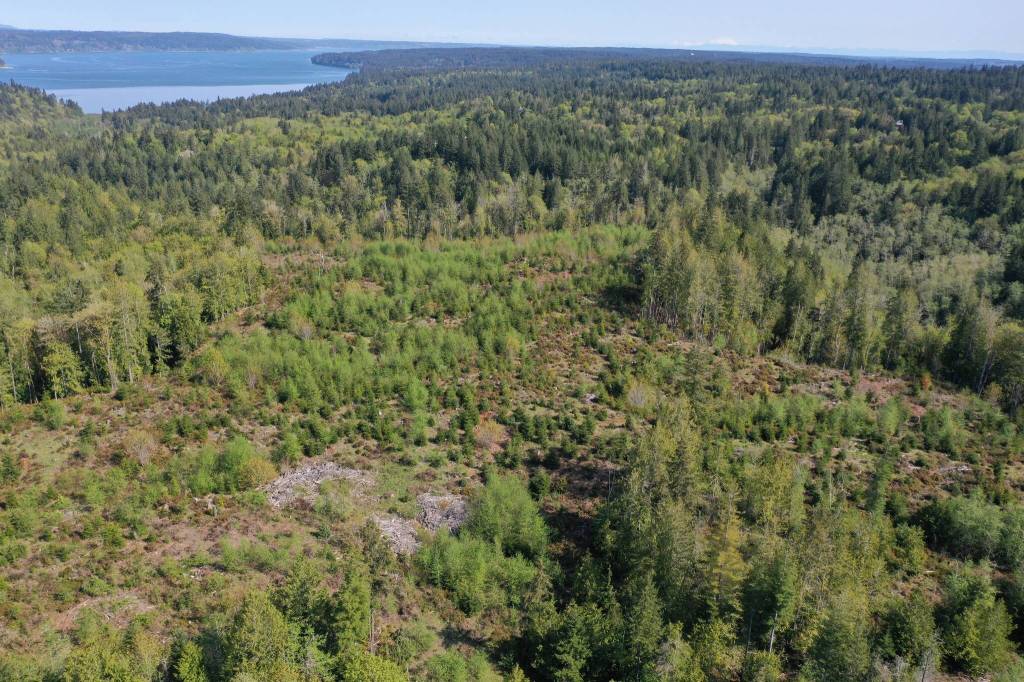
Great Peninsula Conservancy has completed its most ambitious planting season yet, with staff, volunteers, and partners planting 16,465 native trees and shrubs across five preserves this winter—more than tripling last year’s efforts.
“Improving habitat quality across our 2,600 acres of preserve land is a top priority, and the scale of this year’s planting shows we are serious,” says Nathan Daniel, GPC’s executive director. “By diversifying the community of native plants on these sites, we help ensure food sources are available throughout the year, which helps more woodland creatures thrive. This is important because as more land is converted, every remaining acre needs to provide as many ecosystem services as possible, both to wildlife and to people.”
A theme running through many of this season’s projects is assisted migration—a restoration strategy that helps native tree species adapt to climate change. Assisted migration involves the intentional movement of plants or animals to geographic locations better suited to their present or future habitat needs to help them adapt to climate change, a news release says. As the region continues to experience hotter, drier summers, GPC is testing whether native trees sourced from southern seedstock will better survive our changing climate. These Douglas-fir, western redcedar, and western hemlock saplings, grown from seed at Fourth Corner Nursery, were bred from trees originating from Oregon and California and are used to the types of weather patterns that we’re starting to see in Puget Sound. Planting the bareroot trees and shrubs in the winter takes advantage of natural irrigation (i.e., rain), which gives seedlings a head start before the spring growth period starts.
“Winter is an ideal time to plant native trees and shrubs in our region,” says Adrian Wolf, GPC’s stewardship director. “Unlike other parts of the Pacific Northwest, our ground is rarely covered in snow and doesn’t remain frozen for long, making winter planting both possible and beneficial. When planted as bareroot stock during their dormant season, the seedlings direct energy to establish strong root systems, rather than maintaining leaves and flowers.”
At Hansville Highlands, the Washington Conservation Corps kicked off the season in January, planting 1,240 conifers, including 350 western redcedar and 150 western hemlock from Oregon seed stock. Over the next decade, GPC will be tracking and comparing growth and survival of the Washington hemlock and Oregon hemlock seedlings to see how the trees fare, contributing valuable data to ongoing climate resilience research, per the release.
At Grovers Creek Preserve near Indianola, staff and volunteers planted 320 conifers this winter, joining 350 assisted migration trees from Oregon seed stock planted in 2025. Students from GPC’s environmental education program, Land Labs, are continuing to collect growth and mortality data of these climate-adapted seedlings, providing hands-on learning opportunities while contributing to important conservation science. GPC partners with schools across Kitsap, including Tribal schools like Chief Kitsap Academy, to get students outside and involve them in the restoration work.
At Newberry Woods Community Forest in Central Kitsap, Applied Ecology and Torres Reforestation planted 8,550 conifers and shrubs—the largest single planting effort of the season. By introducing a diversity of evergreen and shrub species, GPC is building a more resilient understory that can adapt to changing conditions, the release says.
“Planting and caring for these trees takes a village,” said Michael Szerlog, Hansville Greenway Association president. “By working in partnership with GPC and others, we show the Greater Hansville Community the commitment we made to restoring this community forest.”