St. Michael, nurses union still negotiating a new contract
Published 1:30 am Wednesday, August 27, 2025
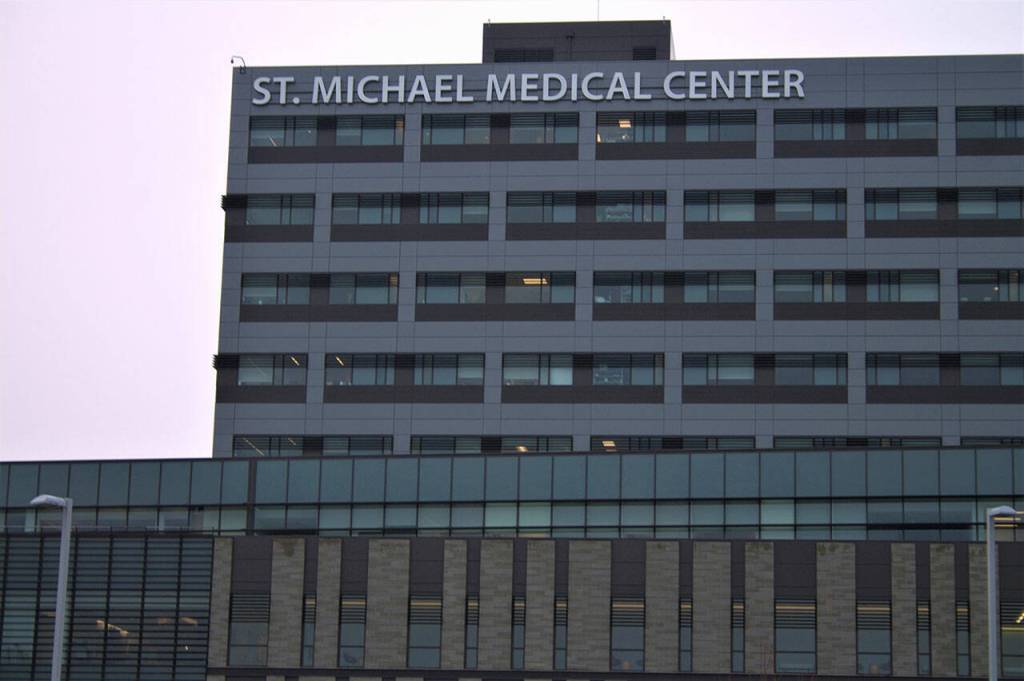
Nurses at St. Michael Medical Center, which is owned by Virginia Mason Franciscan Health, are still working on coming to an agreement on a new contract between the hospital and union UFCW 3000, which represents nursing staff.
The original contract expired April 30 with an extension expiring July 31. Nursing staff held their 17th bargaining meeting Aug. 21 since negotiations began in March. The union represents roughly 850 nurses at SMMC, UFCW 3000 spokesperson Rich Smith said.
Two key issues the union is pushing to include in contract negotiations with SMMC are staffing ratios and workplace violence protections. Bargaining team member Kim Fraser, a pre-op nurse who has worked at SMMC since 2016, shared several concerns the union has shared about working conditions.
“My experience at the table is that nurses are advocates for patients. That is what our oath is, that’s our first and foremost priority, is patient safety and well-being and being able to do our jobs in a way that we are providing excellent care to our patients and that we’re not jeopardizing their health or our licenses,” she said. “Our staff wants to feel safe when they go to work. They want to be able to do their job, and they also want to be able to ensure that they get to go home at the end of their shift to their family and their loved ones.”
Fraser said the union continues to experience resistance from SMMC around proposals concerning workplace violence.
In the early evening of Aug. 7 just after 7 p.m., Tacoma police responded to a shooting at Allenmore Hospital, where a man and a woman were both injured. The man later died from his injuries.
“Considering the rise in violence experienced in hospitals, and in particular the recent murder at Allenmore Hospital, we strongly believe that robust safety protocols are for the benefit of all of our coworkers, our patients, and the public in general,” she said. “Yet this management responsibility continues to be viewed by the employer primarily through the lens of the cost of certain proposals.”
In 2018, the Bureau of Labor Statistics reported healthcare worker assaults at 10.4 assaults per 10,000 full-time workers compared to an incident rate of 6.4 per 10,000 full-time workers assaults in 2011.
Tímea Juhász, a float nurse at SMMC who has worked at the hospital since 2019, shared her perspective as a member of the safety committee.
Juhász said float nurses move around the hospital depending on staffing needs, which dictates where they work for the day. As a member of the committee, Juhász often hears about workplace safety concerns.
“I’m pretty sure that everybody can have a co-worker who can say that they have been physically assaulted or had verbal threats,” she said. “We have to take it seriously at all times,” she said.
Juhász said she feels the reporting systems are improving despite general underreporting of incidents. She also said the ER is a unique work environment as it’s open to everyone and often has a high volume of patients.
“I think sometimes the patients are not always aware of what’s happening in the background; they don’t see what we are doing behind the curtain,” she said.
Other contributing factors which can make the ER a higher-risk environment to work in include: patients under the influence of drugs and alcohol, as well as longer waiting times during peak periods, in addition to often being the first point of contact for emergency care within the hospital.
SMMC has a no-weapons policy for all visitors. Visitors with weapons won’t be allowed into the facility, per the VMFH website. SMMC has a clearly marked no weapons policy signage at entrances around the hospital; however, staff aren’t always able to confirm patients are abiding by the policy due to the fast nature and high-volume environment of an emergency room setting, union representatives said.
Rosie Apalisok, an MN, RN and vice president & chief nursing officer at SMMC, described some of the safety improvements SMMC leadership is undertaking to support workplace safety.
These include: requiring all visitors over the age of 16 to check in and wear a dated sticker with their name and destination unit after 9 p.m. Additionally, SMMC provides behavioral health education to support patients with behavioral health needs, and plans to provide staff with personal safety devices in the future, Apalisok said.
SMMC has 30 full-time security officers as a resource to support frontline healthcare workers and any team member may call 911 if needed, Apalisok said
“The safety and well-being of our patients, visitors and team members is our highest priority. All of our hospitals and clinics, including St. Michael Medical Center, have measures in place to support a safe environment,” she said, “We take any safety-related concerns seriously. Team members have established channels to quickly escalate safety concerns, which are reviewed and addressed promptly.”
A union representative directed Kitsap Daily News to SMMC leadership for the incident rate of healthcare worker assaults. Apalisok, with SMMC, didn’t specify the number of assaults reported to leadership.
A public records request to Kitsap County Sheriff’s Office found 77 calls for service regarding assaults at SMMC between Jan. 1, 2014 and Aug. 20, 2025. KCSO doesn’t track who makes the report, so the true number of healthcare worker assaults isn’t entirely clear.
Apalisok said team members receive training and ongoing education that aims to prevent and de-escalate potential unsafe situations. In addition, SMMC has a hospital safety committee, which aims to bolster additional employee safety and security efforts. Some of the training topics include: violence prevention, active shooter, safe patient handling, and de-escalation training, she said.
Juhász said visitor sign in requirements is a step in the right direction; however, she’d like to see additional safety investments made.
Regarding incident reporting, Apalisok said team members are encouraged to report incidents or safety concerns to hospital leadership and have additional resources available. Security enhancements, including deliverable items the union is advocating for, include secured badge/ access requirements and the installation of metal detectors at ER entrances. SMMC leadership declined to specify an implementation timeline.
“We are always evaluating the needs of each of our hospitals and implementing best practices based on experiences across our system,” Apalisok said.
Regarding bargaining updates Apalisok shared the following statement with Kitsap Daily News.
“St. Michael Medical Center remains committed to the bargaining process and reaching a fair and competitive agreement with UFCW 3000. We deeply value the contributions of our nurses and appreciate their dedication to our patients and community. We are hopeful that continued dialogue at the bargaining table will lead to a contract that best serves our nurses and supports our ability to deliver excellent patient care each day,” she said.
Apalisok said SMMC does not have a higher frequency of healthcare worker assaults and patient care and hospital operations remain uninterrupted during contract negotiations.
Fraser shared her hopes for future bargaining and its impacts on patients and staff.
“It’s all the more important for us to be appropriately staffed and have the resources to be able to take care of that community. Because it’s not just the Kitsap Peninsula, we reach far beyond that.”